we are edit lab
We seek to understand the crucial dysregulation or untrained points in a child's innate immune system with the goal of treating and getting better outcomes for pediatric cancer patients.
Macrophages (MФ) are an extremely plastic cell type, adapting their functional phenotype swiftly and sometimes dramatically in response to environmental cues. Not surprisingly, this unique behavior provides a strong predictive model for clinical pediatric disease outcomes. For example, disease associated MФs that are functionally responsible for general wound repair (e.g. immune suppressive, angiogenesis, etc) and pathogenic clearance (e.g. immune promoting, phagocytic, etc), are indicative of poor prognosis in cancer and autoimmune disorders, respectively. What remains unclear is how these functional phenotypes arise, and if the function is driving disease progression or is a symptom of environmental cues. Our lab focuses on harnessing existing and developing novel technology platforms that alter MФ function through environmental manipulation. We believe through the development and use of these technologies we can develop an understanding of A. how environmental cues impact MФ function, B. how MФ function drives disease progression and C. how to harness that information to develop novel technologies to treat pediatric diseases.
Meet Us
We're the team
behind the science.
behind the science.
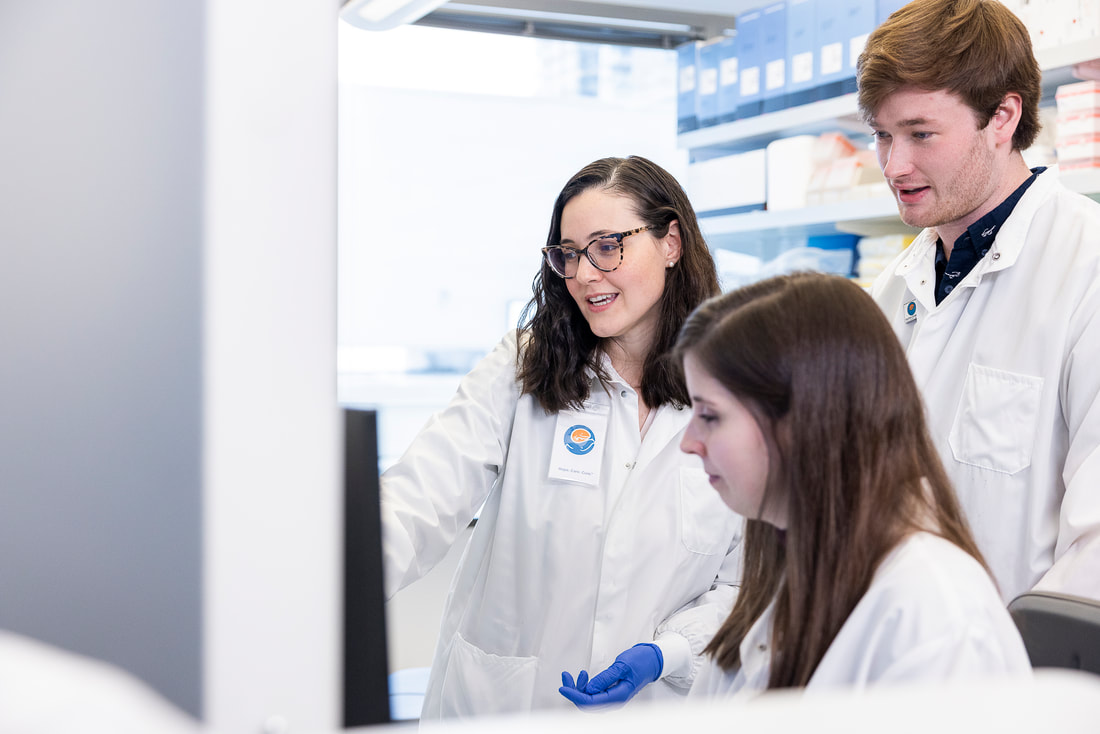

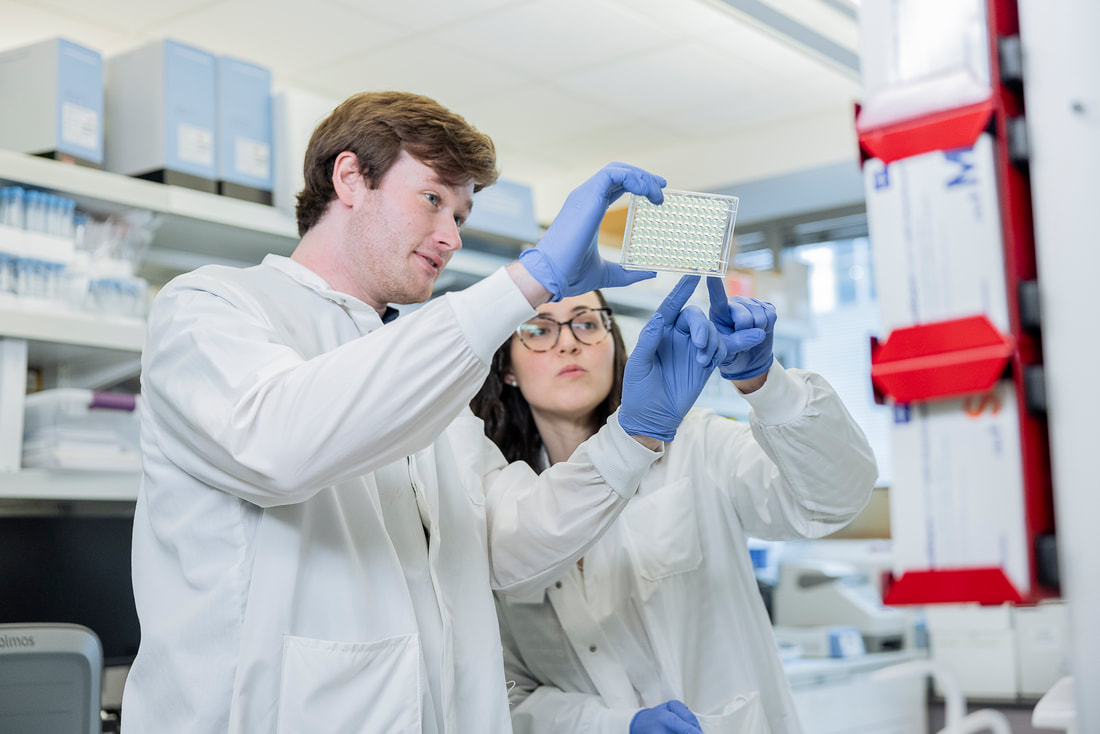
Our team is curated from positive attitudes, love of science, fundamental creativity, hard work and a hope for the future.